Editor’s Note: This piece was written in companion with our piece about how College of DuPage is combating the social work shortage and working to better support COD students’ mental health. To learn more, please read our other piece.
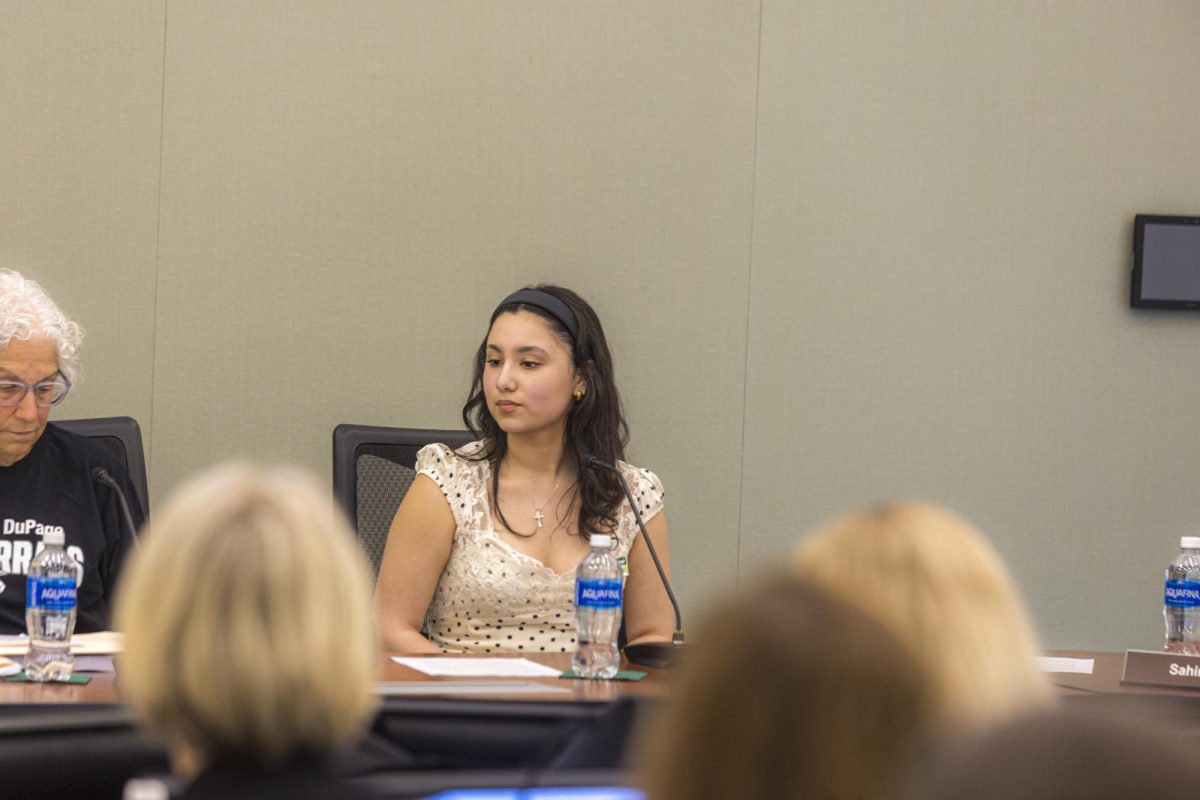
College of DuPage (COD) Student and PeerCare volunteer, Shanai Ramos, sees PeerCare as a good stepping stone for her future career in social work.
“I felt like this would definitely be good practice, ” Ramos said. “But at the same time, it allowed me to expand more of my love for helping others and creating meaningful connections and creating a meaningful impact for others any way that I can.”
This is the first school year COD is offering PeerCare to students. Started by COD’s counseling department, PeerCare is a one-on-one mental health support service allowing students to meet with professionally trained student volunteers to talk. Students can request the same PeerCare volunteer for each session that they previously met with. Students interested in being a PeerCare volunteer applied through the counseling department. Anyone who volunteers must be trained by a COD counselor. Currently, there are 4 volunteers.
PeerCare is available every Wed. from 10 a.m. to 12 p.m. and 1 p.m. to 2 p.m at SSC 3341. To schedule an appointment with PeerCare, contact COD’s counseling services at (630) 942-3330, or they accept walk-ins during the times available. It is a free, nonjudgmental and confidential service.
With COD being impacted by the nation-wide social worker shortage, PeerCare is an additional mental health service to combat the issue. This program represents COD’s effort to make the school more accommodating to the mental health needs of students.
COD counselors Silvia Donatelli and Dennis Emano helped put PeerCare into action. Both Donatelli and Emano train the PeerCare volunteers to ensure students are getting proper support, while also managing the progression and expansion of the program itself.
PeerCare started because students may find benefit from talking to other students who have better understanding of what they are going through, counselors said. The commonalities between the student and student-counselor, like being in the same age-group and in relatable situations, provides students with a more relaxed experience. PeerCare offers a safe space for students and encourages them to utilize this program for any reason. Whether students are overwhelmed, lonely or have any other reason, PeerCare provides support.
“[The volunteers] are all students at COD, so that’s their common experience,” Donatelli said. “Their mindset is, ‘Hey, I’m a student just like you. I want to listen. I want to provide support.’ It’s having a listening ear. Someone [who] wants to be helpful. [To] let the student know that they’re not alone.”
PeerCare volunteers believe in what the program does, as some of them plan on going into social work. Although they are not certified professionals, they volunteer for PeerCare aiming to provide a supportive environment.
Ramos believes that through peer support, she can help students better express themselves.
“Peer support is giving the individual space to talk and to feel things that maybe outside they can’t,” Ramos said. “So my mindset coming into this is just hearing the person out. I want to be there for [people]. [PeerCare volunteers] want to be there for the person and create some sort of impact even as small as it is listening to the person. [PeerCare]) represents connection, meaning, love and care for COD students. Because community college can be lonely at times.”
Since PeerCare has started recently, COD counselors are working on strategies to expand and market this program. PeerCare is currently available only on Wednesdays but next school year they are looking to offer this program at least twice a week.
Donatelli, along with the other COD counselors, make efforts to provide the best mental health services they can to students. They believe PeerCare is a good addition to the mental health resources COD provides.
“[COD] has been making changes, and we’re trying to better address the mental health needs of students,” Donatelli said. “We want to put an effort in improving what we offer and making sure that we’re meeting the needs the ways we can as a college. I think we’re moving in the right direction.”