Hunger isn’t just happening somewhere else—it’s closer than you think. As the season of giving approaches, food insecurity remains significant around the world and in DuPage County.
Food insecurity looks different for everyone. From skipping meals to stretching paychecks or choosing between groceries, it is an issue that affects millions—often in silence.
According to Feeding America, “1 in 5 children, over 13 million kids, don’t have enough food to grow up strong. Over 50 million people around the world turn to food banks and pantries for food insecurity help.”
The College of DuPage (COD) Student Leadership Council (SLC) is hosting the Oxfam Hunger Banquet, an interactive event that invites individuals to experience the realities of global and local food insecurity. The banquet will take place on Tuesday, Nov. 19, from 6 p.m. to 7:30 p.m. on the COD Main Campus in the Student Services Center (SSC) 1103. The banquet will shed light on how food inequality affects millions around the world—even right here in our own communities.
Not only in our local communities, COD has its own food pantry that students, faculty, and staff utilize to get food during late night shifts, before classes, or during the day. The Food Pantry offers free food and personal care items, aiming to address food insecurity right here on campus. Most of all students and faculty end up using the food pantry on a weekly basis
Hunger isn’t just happening somewhere else—it’s closer than you think. As the season of giving approaches, food insecurity remains significant around the world and in DuPage County.
Food insecurity looks different for everyone. From skipping meals to stretching paychecks or choosing between groceries, it is an issue that affects millions—often in silence.
According to Feeding America, “1 in 5 children, over 13 million kids, don’t have enough food to grow up strong. Over 50 million people around the world turn to food banks and pantries for food insecurity help.”
Rumaysa Aliniazee, the emcee of the Oxfam Hunger Banquet, says, “The Hunger Banquet is designed to represent people who are in difficult situations. It highlights global food insecurity and raises awareness that anyone can find themselves in a similar situation.”
The Hunger Banquet is designed as a simulation emphasizing how circumstances can be beyond one’s control, she said. Many people struggle with job loss, rising food prices and government policy changes that affect and determine the quality and quantity of food available to individuals and families.
According to Bread For the World, “In 2023, 97% of households with very low food security reported not having money to buy food after their groceries ran out, 68% reported that they were hungry but didn’t eat because they couldn’t afford to, and 39% reported that an adult in the household didn’t eat for an entire day because there wasn’t enough money for food.”
Ben Lange, the coordinator of the Hunger Banquet, said “While the Hunger Banquet is a simulation—and may not be a perfect reflection of the real struggles many face—it serves as a reminder that individuals face this daily, overcoming certain circumstances that can affect the meals of many lives.”
As the event approaches, SLC needs 10-15 volunteers to help with the banquet. Those interested can sign up via SignUpGenius.
To attend the simulation, RSVP is required.
“The Oxfam Hunger Banquet invites students, staff and community members to look beyond their plates and think critically about privilege, access and equity. It’s an evening designed not just to inform, but to promote helping others who struggle with food insecurity,” Lange said.
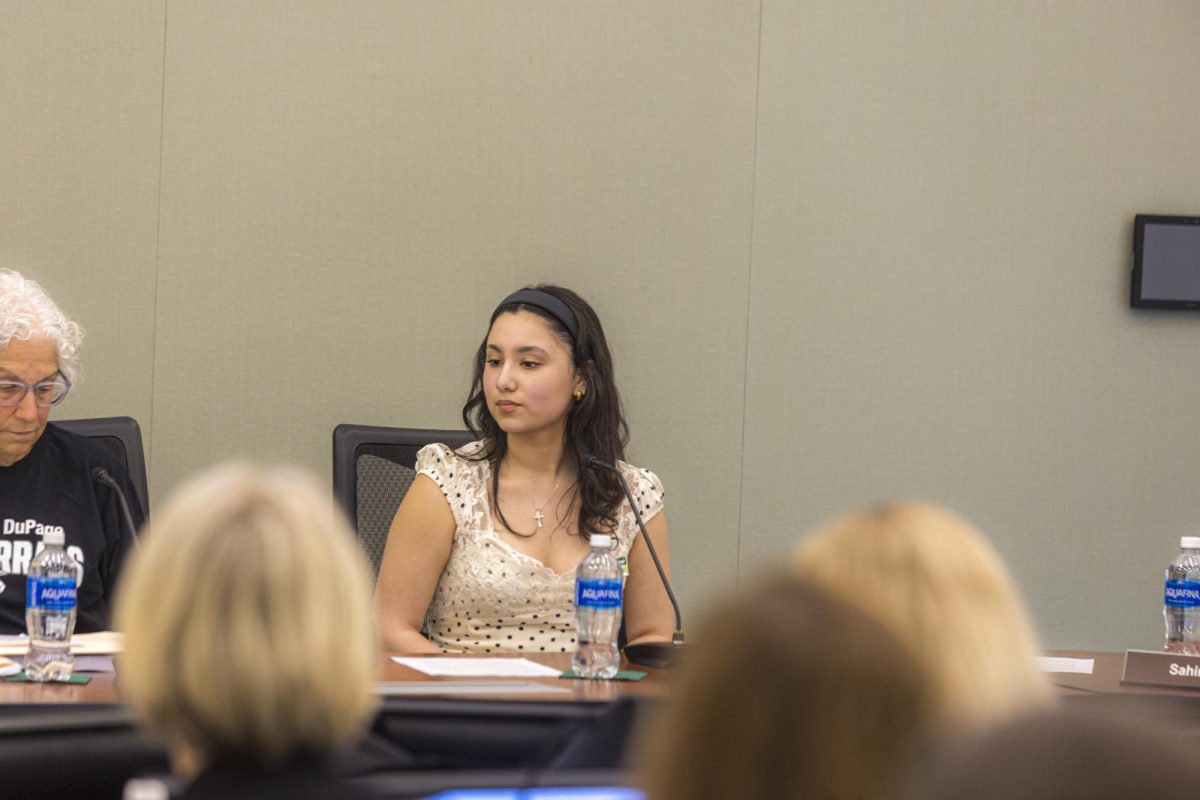
COD’s Student Trustee Luna Escobar said, “I am honored that we as the Student Leadership Council are given the platform to speak to global crises. I believe now is the right time to bring light to the global hunger issue.”
The Oxfam Hunger Banquet hopes to remind the COD community to be grateful during this Thanksgiving Season and to show that gratitude through generosity. It emphasizes that understanding the challenges others face is essential to progressing through food insecurity.