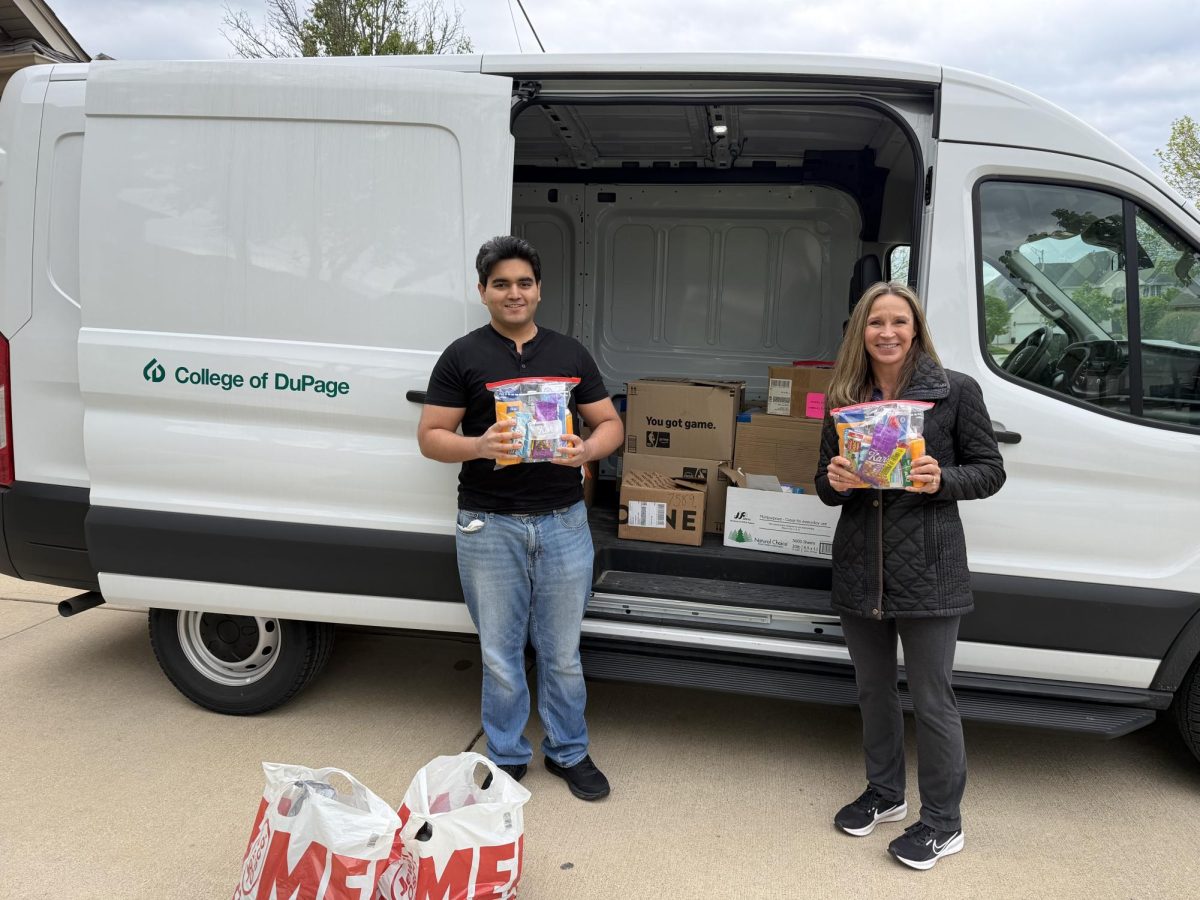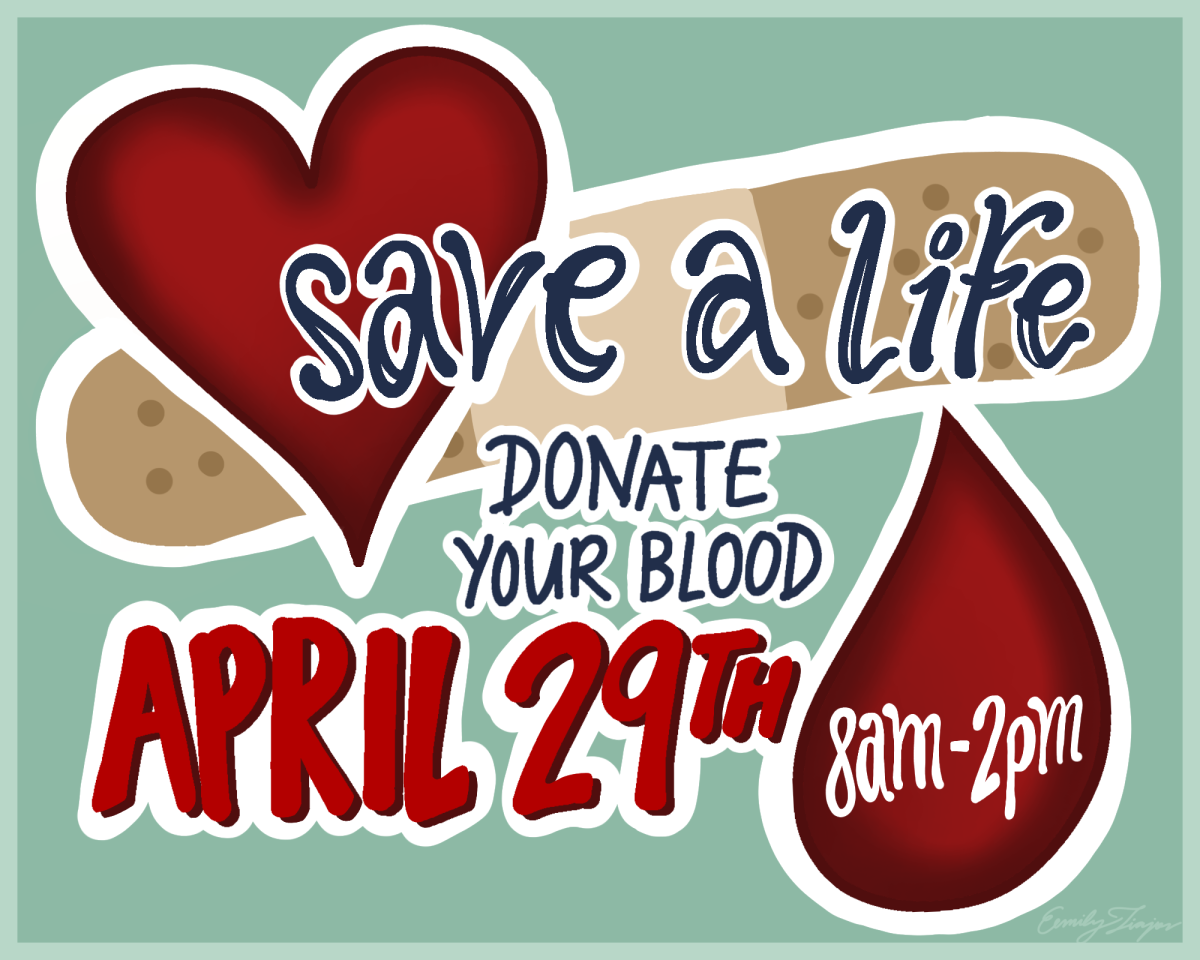
To combat blood shortages in hospitals, College of DuPage (COD)’s Thrive Club has organized a blood drive, which will gather donations for people in need of blood and platelets. Co-sponsored by the COD Student Nurses Association, the drive will take place on April 29 from 8 a.m. to 2 p.m. in room 2000 of the Student Resource Center (SRC).
The American Red Cross reported that blood donations dropped severely in both January and February of 2026, largely attributed to winter weather keeping potential donors at home. This drive marks an effort to increase donations as the year progresses and the weather improves.
Vivan Kumar, blood program leader at COD representing Thrive, shared that data indicates young people tend to donate blood less than their older peers in recent years. This statistic actually depends on factors that influence young people’s participation. For example, students typically donate less during the busy final exam season.
“There is a growing need to increase awareness and encourage more students to participate in blood donation efforts,” Kumar said. “Overall turnout tends to fluctuate based on timing, awareness and scheduling.”
Anyone from the COD community is welcome to donate, as long as they weigh at least 110 pounds and are generally in good health. American Red Cross volunteers will draw blood during the event. Volunteers encourage donors to register ahead of time, but they will also accommodate walk-ins. Donors will receive free food and drinks, along with a complimentary $15 gift card.
Kumar explained that donating blood creates a significant impact for those who receive it.
“Knowing that a simple act like donating blood can directly support someone fighting cancer is one of the main reasons I am committed to organizing and promoting this drive,” Kumar said.
During the drive, donations will undergo testing to determine their specific blood type. All are encouraged to contribute, whether they know their blood type ahead of time or not. Hospitals always require donations of type O- blood because it can be administered to all patients, regardless of their blood type. Type O+ is also always in high demand, since all people with positive blood types, a large chunk of the population, can receive it. Despite these more urgent needs, every blood type has a use and a patient who benefits from it.
Additionally, Black donors are specifically sought out, since sickle cell disease, a condition that disrupts blood flow throughout the body, tends to affect people of African descent. Those affected by sickle cell disease regularly rely on blood donations to prevent health complications and reduce pain. One-third of African Americans who donate blood will match to sickle cell patients who require transfusions.
Each year in the United States, only 3% of eligible donors give blood. On average, every two seconds, someone in the country requires a blood transfusion. Donating a single bag of blood can save the lives of up to three people.
To engage with the community about the blood drive and the act of donating, Thrive placed flyers promoting the event and providing information around campus. Kumar also set up a table on campus during the weeks leading up to the drive, where he spoke directly with students.
“The goal is not only to increase donations but also to help students understand the real impact behind it,” Kumar said.
Along with regular blood, platelets, which are small cells within the blood, will be collected. Platelets form clots to stop bleeding and are crucial for many cancer treatments and surgeries. While regular blood donations only take a few minutes, platelet donations take anywhere from two to three hours. Donors have the option to give either blood only or both blood and platelets.
At any given point, Illinois hospitals have less than three days worth of blood donations available to use. This data does not even account for recent shortages. Many people under different circumstances regularly require these transfusions, including those undergoing chemotherapy, trauma patients, sickle cell patients, mothers who lose blood during childbirth, newborn babies and more. Giving blood ensures people who need it do not have to go without and secures their well-being.
“Donating blood is a small act for you, but it can be a second chance at life for someone else,” Kumar said.
Register to sign up for the drive here. Visit the American Red Cross website to learn more about donating blood in general or to find details of other blood drives.