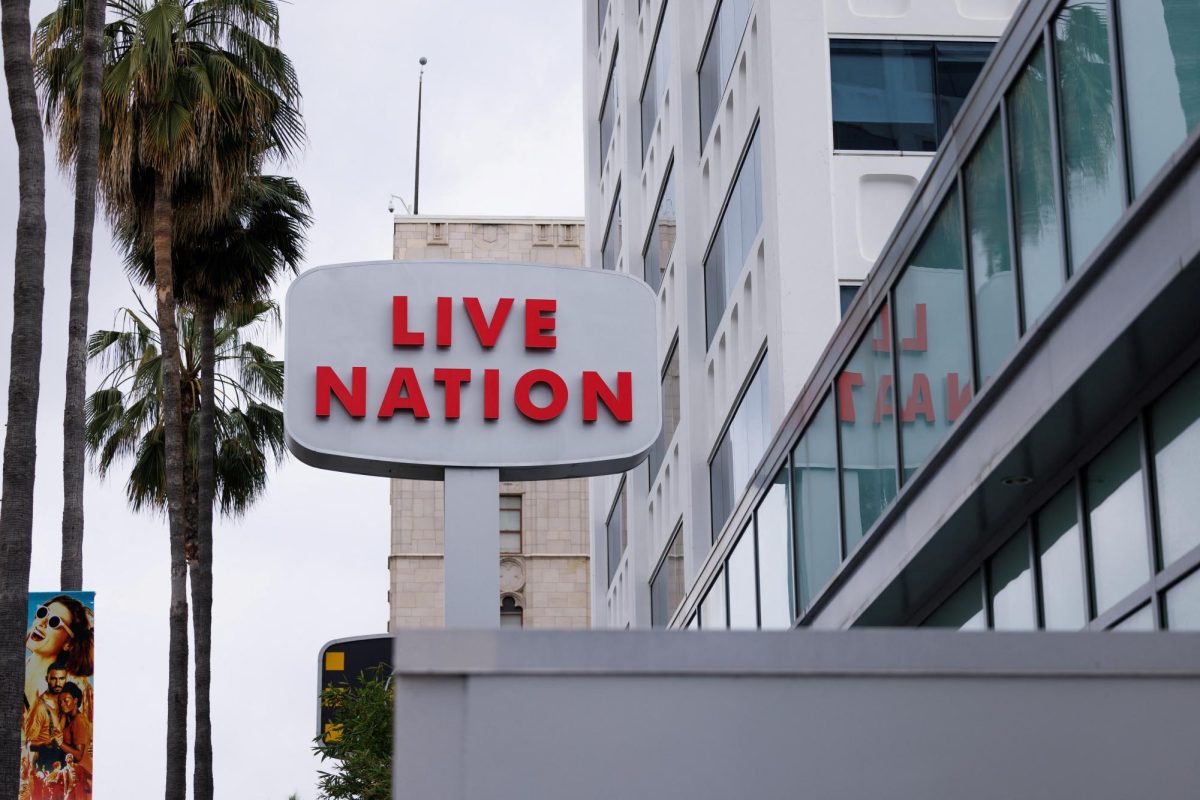
Anyone who attended a concert in the last ten years likely has a story of overpaying for tickets. Live Nation, the multi-billion-dollar company that sells concert tickets through its subsidiary Ticketmaster, has a history of raising prices and charging excessive fees. At the conclusion of a recent trial, a jury found Live Nation liable of running a monopoly and overcharging fans on April 15. What exactly this means for the future is not yet known, although concertgoers hope for concrete changes.
In 2024, the Biden administration, along with a group of states including Illinois, sued the company. The lawsuit claimed Live Nation operated an illegal monopoly and engaged in practices that prevented fair competition. The U.S. Department of Justice brought the suit after hearing complaints about Ticketmaster’s mishandling of Taylor Swift’s 2022 Eras tour, which allowed the majority of tickets to go to resellers. These scalpers then hiked the prices to up to thousands of dollars for one ticket.
Deni Nuestro, creative director for College of DuPage’s ADONIS K-Pop Club, which focuses strongly on live music, said that the ticket reselling allowed by Live Nation has gotten out of hand.
“I think it’s unfair that people are allowed to [resell]. I’m still shocked about the Ariana Grande ticket fiasco, where someone was reselling the tickets for $1 million. Who even has the funds for that besides the elite? No working-class person could afford that,” Nuestro said.
Ticketmaster benefits from resellers, by collecting more fees with each purchase.
Nuestro also spoke about how she, like many others, views concerts as an escape.
“I like going to concerts as a little treat or an accomplishment for myself,” Nuestro said. “I grew up with hardships with money, so that factors into why I take going to concerts seriously as I can’t afford tickets sometimes. The current system does make it harder to participate.”
Although Live Nation tends to charge high prices and allows resellers, consumers have few other options, since Ticketmaster is the main platform that sells concert tickets, aside from resale sites like StubHub and SeatGeek. Live Nation owns and operates 460 concert venues around the globe. This allows them to manage the ticket sales through these venues, along with others they have struck deals with.
Live Nation employees were also caught this year knowingly overcharging fans through inflated prices and fees. One employee even joked in private chats that they were “robbing them blind, baby.”
Nuestro agreed that the company has had problems with its prices in recent years.
“It’s so crazy to me how much ticket prices have inflated. For example, I went to see Enhypen in 2024. Nosebleed seats were over $90. I’m not even near the stage, so why am I paying so much for tickets?” Nuestro said.
A settlement was reached on March 9, in which Live Nation agreed to cap fees at 15% and allow competitors to sell tickets through its software. The company also agreed to pay $280 million to the states that brought the lawsuit. Despite this, Live Nation was not ordered to sell Ticketmaster, unlike the settlements of many other similar antitrust lawsuits. Because of this factor, many of the states’ attorneys vowed to continue the suit, unsatisfied with the terms.
Following the April 15 ruling, Live Nation has yet to take direct action. The company has the opportunity to appeal the decision, which it likely will, as evidenced by a statement saying, “the jury’s verdict is not the last word on this matter.”
Currently, the future of concerts remains unclear. Some experts speculate that if more competitors enter the market, ticket prices will lower all around. Others say shows will stay expensive in the coming years since the precedent has been set.
This issue is not a new one, either. Rock band Pearl Jam testified before Congress in 1994 about Ticketmaster hiking prices and acting as a monopoly.
Nuestro said she hopes to see concrete changes in ticket-selling practices in the future.
“I hope they lower service fees, give more freedom to venues to choose better ticketing options and deal with the resellers. It’s irritating to me. I just want to see artists for a reasonable price,” Nuestro said.